Skip links

House of Unforgetting

unforgetting being, is home

Work

Architecture

Built up Area

4000 sft

Location

Coimbatore

Status

Ongoing

K1 reinterprets the idea of home as an act of return. Designed for a couple in their eighties, the residence becomes a vessel for memory and continuity, recalling the spatial ethos of their earlier homes in Chennai through  verandahs, courtyards, and shaded thresholds. The architecture resists the notion of aging as retreat and transforms the final stage of life into one of connection and participation—celebrating arrival, remembrance, and the quiet joy of dwelling well.


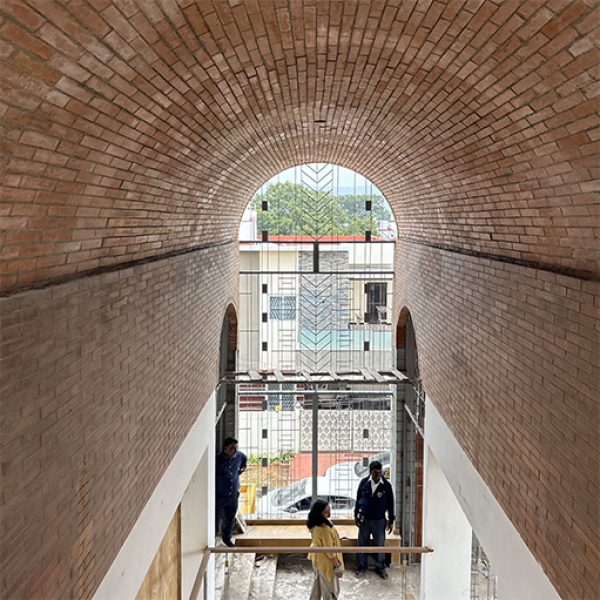
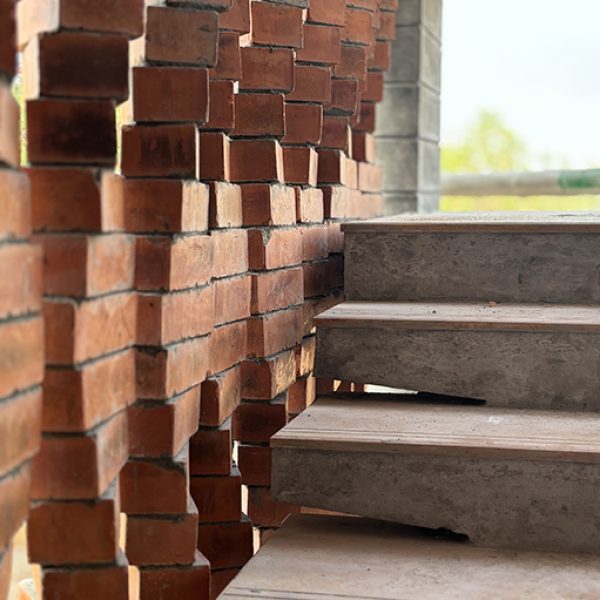
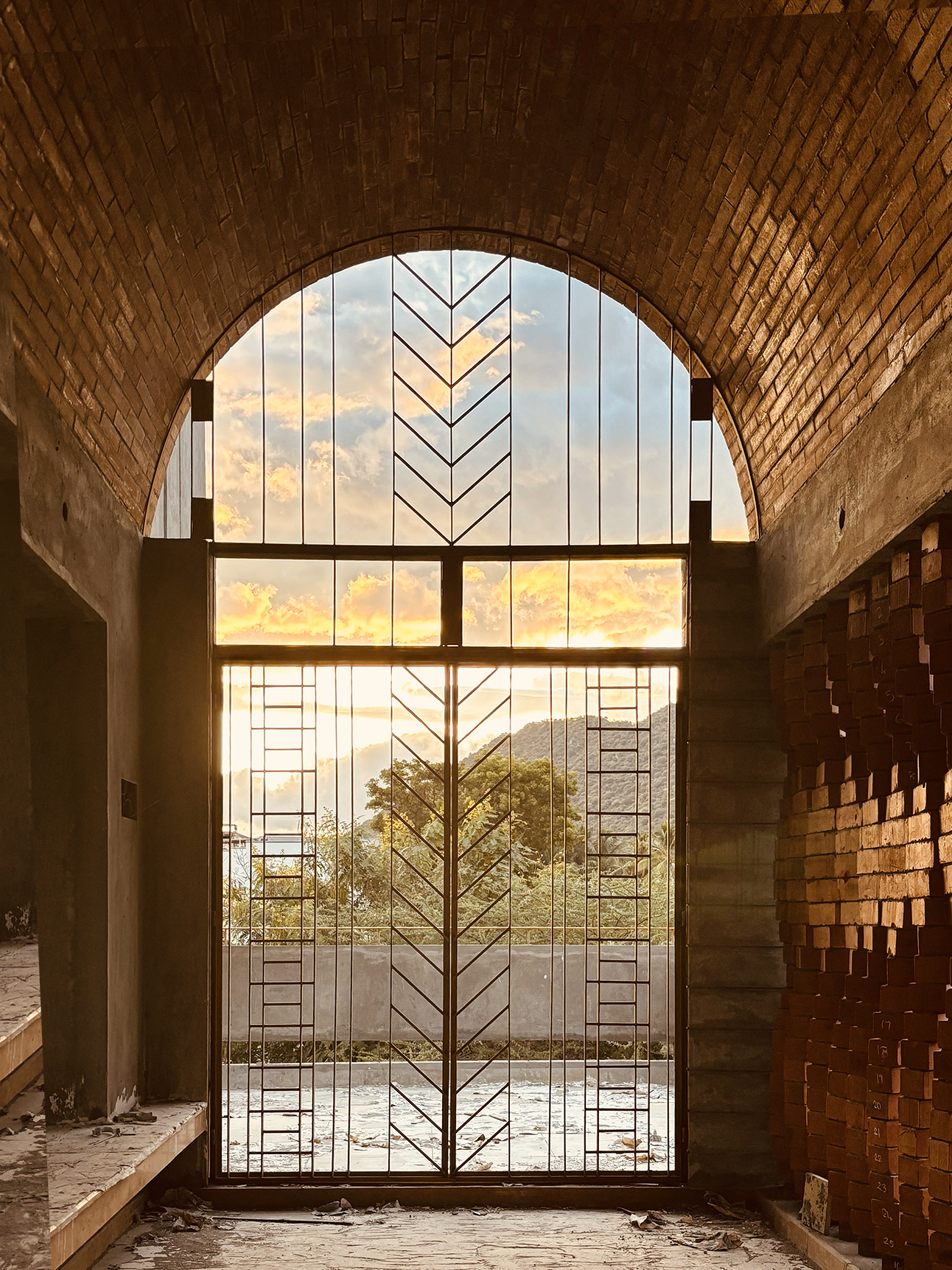
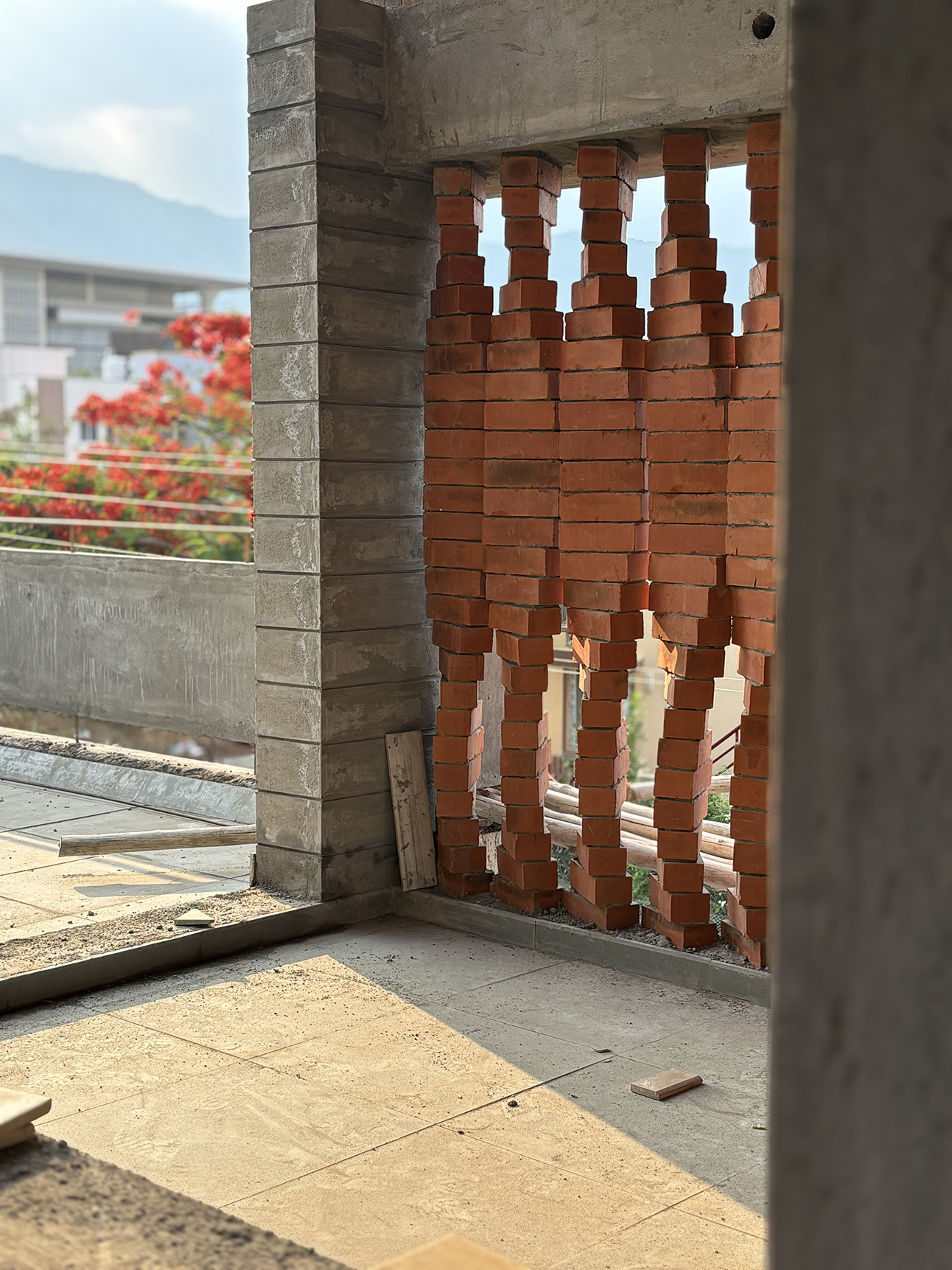
The quintessential Mottai Maadi and its varied interpretations have been explored in this home to bring about a spatial richness. Materiality plays a quiet but deliberate role in evoking memory. Plaster textures, parametric brick jaalis, and timber inflections recall older domestic sensibilities, while their reinterpretation in a modern palette ensures lightness and longevity. 

The house performs as a living archive — storing fragments of remembered spaces while creating new grounds for interaction and comfort. In essence, K1 reframes late-life dwelling as an architecture of participation — one that celebrates continuity, invites dialogue, and transforms the act of reminiscence into a spatial experience. It underscores the idea that a home, at its most meaningful, is not an endpoint but a return.

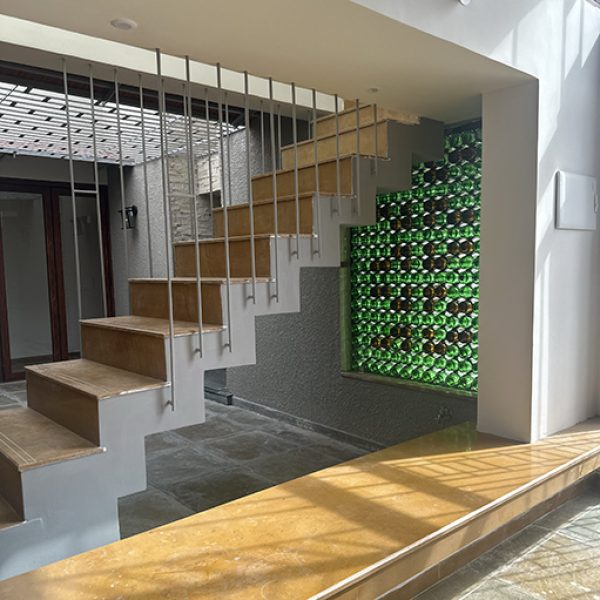
 

The mottai maadi —though seemingly residual, it is one of the most potent spaces in the domestic landscape — it functions as a site of memory and encounter that resists rigid programmatic thinking, inviting us to imagine architecture not as enclosure but as an instrument for engaging the sky. By day, it might host drying clothes or solar panels; by evening, a family gathering or a quiet retreat; by night, a sleeping space under the open sky. During festivals, a site for celebrations and lights. This adaptability reveals the Indian idea of space as temporal and negotiatednot fixed by function but defined by occupation and rhythm.

The spatial richness of the house is purposeful, inviting people of all age groups, to come and spend time together. The house is more outward looking than inward, inviting relatives, family, grandchildren to come and celebrate a life well lived with the retired couple, We attempted to dissolve boundaries and enable movement — visual and psychological — allowing the inhabitant to see beyond the walls of the home into the collective, where, their gaze meets the skyline of houses, coconut trees, and the distant Marudhamalai temple. 

Hear from our clients

Explore
Drag